


Winter Construction Accidents
by The Klein & Cardali Law Group, PLLC - March 1, 2026
Winter has dropped the hammer this year on the Big Apple. New Yorkers across all five boroughs have felt the brunt of the biting cold and the fury of the frequent blizzards. And perhaps no one has endured more than those working in construction. When you combine the snowfall with ice, single-degree temperatures, and shorter daylight hours – even a single misstep for a construction worker could mean the difference between going home safely or going to the hospital. The Klein and Cardali Law Group is here to keep you informed on what you should know about winter construction accidents — and what to do if you get hurt at work.
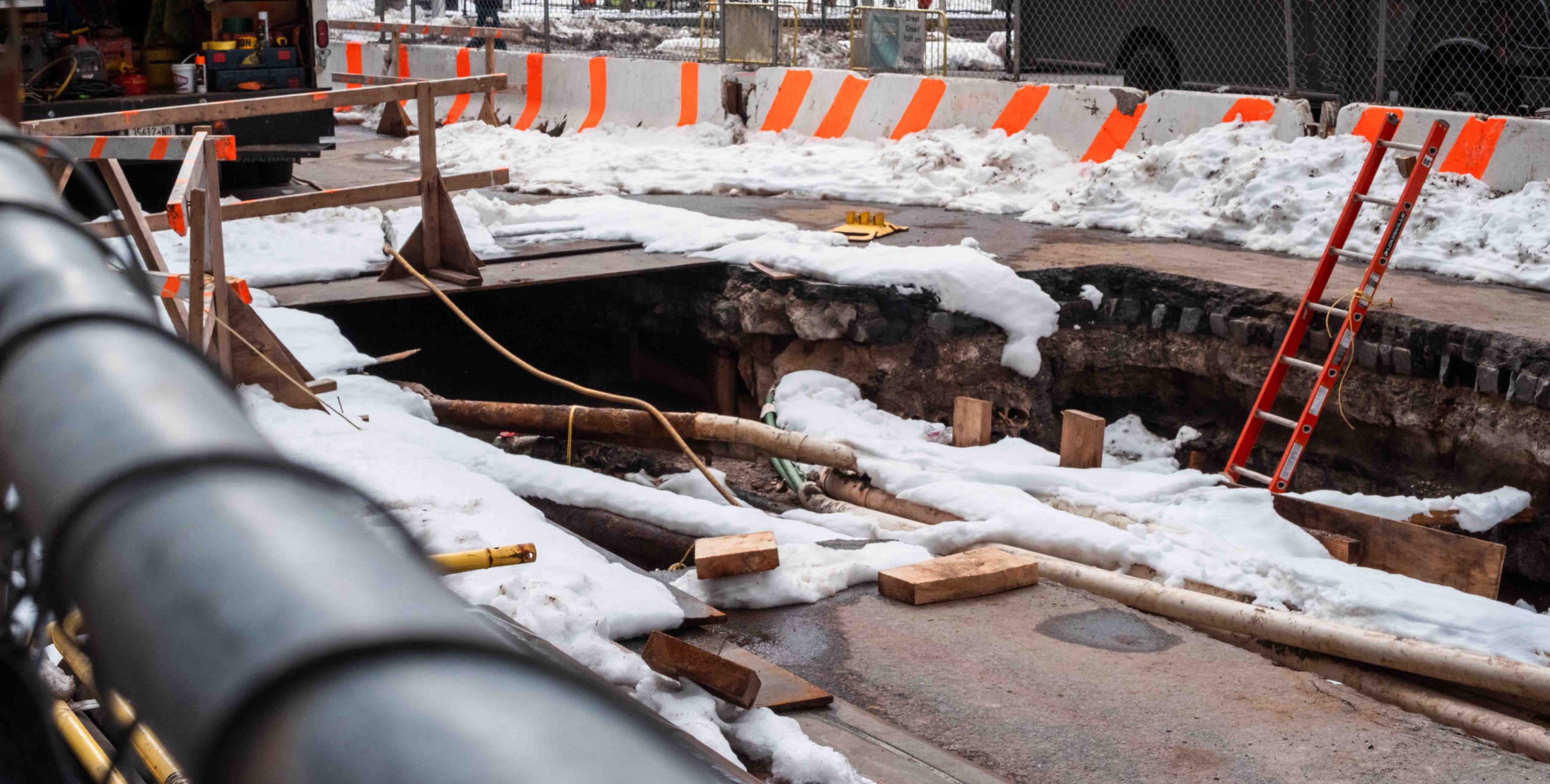
WEATHER DANGERS THAT CAN CAUSE ACCIDENTS:
High Winds: Equipment such as cranes, scaffolding, hoists, pulleys, and other devices may come loose when exposed to high winds. Laborers working at a height are also at risk, especially if they do not have the proper safety device to help keep their balance. A single powerful gust could bring down an entire site, potentially raining hunks of metal down on workers or pedestrians below, causing serious injury or even death. The New York City Department of Buildings (DOB) has a list of precautionary measures that general contractors, building owners, and workers alike can utilize to help prevent accidents. These guidelines are also crucial to ensure equipment is properly secured.
Snow and ice. Snow and ice are two of the biggest threats to the worksite. Slippery ladders or scaffolds, icy walkways, and slick planks can create serious slip-and-fall hazards. A single misstep can result in broken bones, brain injury, or even death. Even with proper footwear, winter weather can cause slip and fall accidents at any moment, so every piece of equipment must be examined before use. After a blizzard, many hazards and heavy equipment may be hidden under a foot of snowfall. If you cannot see the machinery, it can cause a serious problem. Even changes to terrain such as ditches, holes, and trenches become harder to distinguish. Snow and ice accumulation can also add weight to structures, sometimes causing them to collapse, as seen here, in a photo captured by the NYCDOB. Snow and ice can also fall without warning from above on construction sites at any time, so you must always be aware and pay attention to what is going on over your head.
Cold temperatures: As a construction laborer, your clothing, tools, and accessories are all part of your daily lifeline for completing your job. When you work in the severe cold, your body exerts more energy to combat the low temperatures. Over time, you lose dexterity in your hands or feet and your reaction time slows. It may not be noticeable, but your nerve impulses don’t react as quickly. A split-second delay can be the difference between staying safe and getting seriously injured. Even if you think you’re working at a normal speed, give yourself extra time to complete tasks.
Shorter daylight hours: Winter is known for reduced visibility and shorter daylight hours. The tighter time window puts more pressure on laborers to hit daily construction goals. They say stress can be deadly, and that may be true on construction sites if workers are rushing to finish jobs. The reduced sunlight also makes workers vulnerable in low-lit areas. General contractors, building owners, and work supervisors should always make sure sites are properly lit with artificial lighting when necessary. If you can’t adequately see what is around you at all times, the site is too dangerous.
Equipment and machinery failure: Construction equipment many not always cooperate in cold weather. Machinery can malfunction very easily and without warning. Materials such as steel, iron, and wood can rot, rust, or become brittle and break. Nobody wants to try to outrun a giant crane that comes crashing down on the street because it snapped off its foundation. Even basic tasks like lifting lumber can become an issue if the wood is frozen stiff from the cold. Workers should follow the philosophy of “measure twice and cut once,” checking and re-checking their equipment multiple times throughout each day to ensure everything is in proper form before use.
STAY AWARE FOR THE REMAINING WINTER WORK DAYS:
It’s no secret that even on a perfectly sunny 70 degree day in June, construction sites are still full of dangers. This winter, everything has been heightened by the onslaught of relentless snow. Even though temperatures are beginning to rise and spring is on the way, winter is still not over. Inspectors from the NYCDOB are constantly out in full force in the metropolitan area and will not hesitate to shut down a work site they deem unsafe. Site managers, general contractors, and building owners need to be on top of everything to ensure workers are safe from hazards. When they fail to do so, accidents can happen. Stay aware of your surroundings at all times and don’t take unnecessary risks on the job. Small actionable tasks and smart decisions can make all the difference and prevent you from being injured.
CONTACT US TODAY IF YOU HAVE BEEN INJURED:
If you have been hurt on a construction site this winter, please contact us at The Klein and Cardali Law Group for a free consultation. We have been representing injured construction workers for years, fighting for fair compensation, so you can focus on your recovery.